How to Snake a Drain in Westminster Homes
Here is how to snake a drain in a Westminster home: remove the stopper or strainer, feed a hand auger into the opening slowly, crank it when you feel resistance, pull back the clog, and flush with hot tap water. If the clog keeps coming back or several drains back up, call to be connected with a local provider.
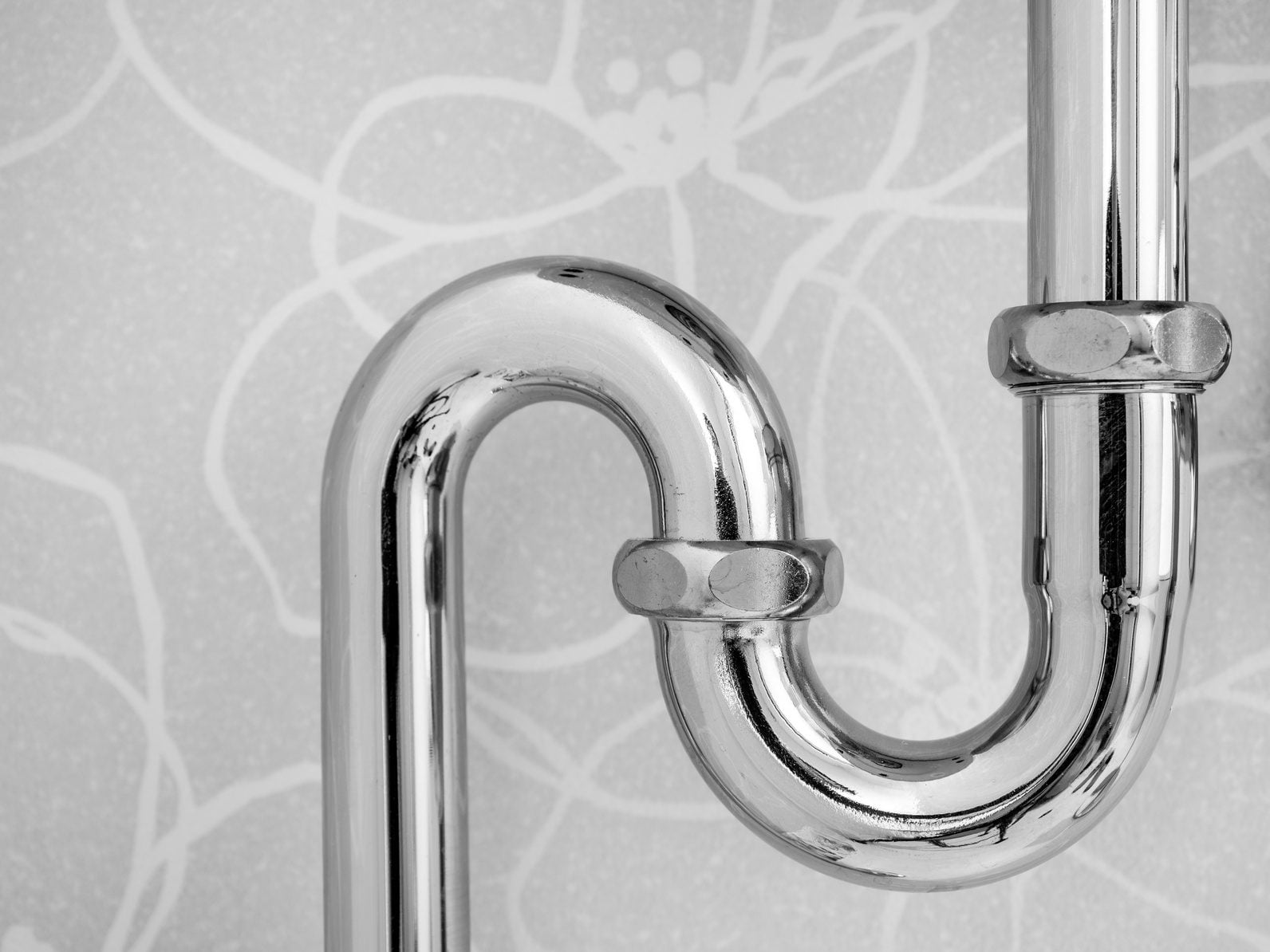
- A small hand auger (drain snake) is made for sink, tub and shower drains. Toilets need a closet auger, which has a guard that protects the porcelain.
- Never snake a drain right after using a chemical drain cleaner. The cable can splash caustic water back at your face and skin.
- Wear gloves and eye protection, and feed the cable in slowly. Forcing a snake can kink the cable or scratch fixtures and old pipes.
- If more than one drain is slow, or water comes up in a tub or floor drain, the clog may be in the main sewer line, not one fixture.
- The City of Westminster says property owners are responsible for the sewer lateral from their property to the city main.
How to snake a drain: what are the steps?
To snake a drain in Westminster, clear the opening, feed the auger cable in until it stops, tighten the lock, and turn the handle clockwise while pushing gently. When the cable moves freely, pull it back slowly, clean off the debris, and run hot tap water for a minute to flush the line.
- Remove the stopper, strainer or pop-up so the drain opening is clear.
- Pull out a few inches of cable and tighten the lock.
- Feed the tip into the drain with the drum close to the opening. Push gently.
- When you feel resistance, crank the handle clockwise. A bend in the pipe feels springy; a clog feels soft or gritty.
- When the cable suddenly moves freely, you have likely broken through or hooked the clog.
- Keep turning clockwise as you pull the cable back out, so the hair or gunk stays on the tip.
- Run hot tap water for a minute or two to see if it drains at full speed.
What kind of drain snake should you use?
For most household clogs, a small hand-crank drum auger with a quarter-inch cable is the right tool for sinks, tubs and showers. A toilet needs a closet auger. Power augers are for main lines and carry more risk.
- Hand drum auger: a coiled cable inside a drum with a crank. The usual choice for sink, tub and shower clogs.
- Closet (toilet) auger: a short cable inside a rigid tube with a rubber guard so it does not scratch the bowl.
- Power or drill-driven augers: stronger and longer. A spinning cable under power can kink, whip or catch, so treat these with real caution.
If you are not sure which tool fits your drain, our drain cleaning page explains the common types of clogs.
How do you snake a bathroom sink, tub or shower drain?
For a bathroom sink, remove the pop-up stopper and feed the snake straight down. For a tub, remove the stopper or go through the overflow plate. For a shower, unscrew or pry up the strainer. Hair is the usual culprit in all three, and it often sits within the first foot or two of pipe.
Bathroom sink: Many pop-up stoppers lift straight out.
Bathtub: Going through the overflow opening often gives the cable a straighter path than the drain itself.
Shower: Many strainers have one or two screws. Pull out any hair you can reach first.
Go slowly at the first bend, where a thin cable can kink.
Need help now? Call to be connected with a local provider in Westminster who can check availability for your address.
How do you snake a kitchen sink drain?
To snake a kitchen sink, it is often easier to remove the P-trap under the sink and feed the cable into the pipe in the wall. That skips the tight trap bend and gets the snake closer to the grease and food clog, which usually sits farther down the line than a bathroom hair clog.
- Turn off the garbage disposal at the switch and, if it plugs in, unplug it. Never put a snake into a disposal.
- Put a bucket under the trap and loosen the slip nuts by hand. Expect dirty water.
- Feed the cable into the drain pipe that goes into the wall and work it forward.
- Reinstall the trap, hand-tighten the nuts, and run water to check for leaks.
If the clog seems tied to the disposal, see our garbage disposal repair page.
What are the risks of snaking a drain yourself?
Snaking a drain is a common homeowner job, but it has real risks: splashing chemicals, dirty water that can carry germs, kinked cables, scratched fixtures, and damage to old or fragile pipes. A power auger adds the risk of a cable that catches and twists.
- Chemicals: If you used a drain cleaner, the standing water can burn skin and eyes. Do not snake through it.
- Dirty water: Water from a drain or sewer line can carry bacteria. Wear gloves and wash up after.
- Sewer gas: A strong rotten-egg smell from an open cleanout or drain means you should close it, air out the room, and call for help.
- Pipes and fixtures: Forcing a cable can crack old drain pipe, loosen joints or chip a sink or tub.
- Power augers: A spinning cable can kink and whip, so keep loose sleeves away.
Why won't my drain snake go through the clog?
A snake that keeps stopping is usually hitting a pipe bend, not the clog. Crank and push gently to work it around the turn. If it stops at the same spot every time, keeps coming back clean, or the drain stays slow after several tries, the clog may be past the cable's reach or in the main line.
A few things to check:
- Make sure the lock is tight, so the cable spins instead of just sliding.
- Look for gritty, root-like material on the tip. Roots or heavy debris point to a sewer line problem, not a fixture clog.
When should you stop snaking and call for help?
Stop and call when more than one drain is backed up, when water rises in a tub or floor drain as you use another fixture, when you smell sewage, or when the clog returns within days. These are signs the problem is in the main sewer line, and a hand snake will not reach it.
- Toilets, tubs and floor drains all draining slowly at once.
- Gurgling from one drain when another one runs.
- Sewage or dirty water coming up from a basement floor drain.
If you are not sure which kind of problem you have, our guide to a clogged drain or a sewer line problem walks through the differences. You can also read about sewer line repair options.
What happens during the visit if you call for help?
When you call, you are connected with a local plumbing provider who checks availability for your address. During the visit, the provider inspects the fixture and drain lines, may check other drains or the cleanout, and explains what is likely causing the clog and your options. You should get a written quote before any work starts.
- An inspection of the clogged fixture, the trap and any nearby cleanout.
- A plain explanation of the options, such as cable cleaning, a camera look at the line, or another approach.
- A written quote you can review before you agree to anything.
What should Westminster-area homeowners know before snaking a drain?
Before you snake a drain in Westminster, know who owns which part of the pipe. The City of Westminster says property owners are responsible for maintaining the sewer lateral line from their property to the city's main sewer line, and that a backup in that lateral calls for a licensed plumber. A hand snake only reaches the first stretch of pipe inside the house, so a clog out in the lateral is a different job.
Mineral scale can play a part too. The City of Westminster says it adds calcium to the water, which increases hardness and helps form a protective calcium carbonate scale inside pipes. In older drain lines, scale and soap residue can give hair and grease something to grab onto.
Think about a basement backup before it happens. The Colorado Division of Insurance names sewer backup coverage as additional coverage a homeowner may need to buy. Check your own policy so you know where you stand if a floor drain ever overflows.
In the Denver area, NWS Boulder lists the average first freeze as October 7th, so if you rinse a dirty cable outside, drain and coil the hose afterward. Homes in Westminster, Arvada, Broomfield, Thornton and Northglenn can call to be connected with a local provider when a clog will not clear.
Related pages
Questions people ask
What is the easiest way to learn how to snake a drain at home?
Start with a small hand drum auger and a bathroom sink or tub, where clogs are usually hair close to the opening. Feed the cable in slowly, crank when it stops, and pull it back while turning so the clog comes out with it.
How far down should I push a drain snake?
Push it only as far as you need to reach the clog, which for bathroom sinks and tubs is often within a few feet. If you run out of cable and the drain is still slow, the clog is likely farther down the line and it is time to call.
Which way do I turn a drain snake, clockwise or counterclockwise?
Turn it clockwise, both going in and coming out. Turning the other way can loosen the coil and let the clog slip off the tip.
Can a drain snake damage my pipes?
Yes, it can if you force it. A cable pushed hard through old, thin or cracked drain pipe can damage it, and a metal tip can scratch porcelain, so go slowly and stop if you feel the pipe give.
Is it safe to snake a drain after I used Drano or another drain cleaner?
No. The water left in the pipe can burn your skin and eyes when the cable splashes it. If the drain will not clear on its own, call and tell the provider what product you used.
Should I snake my bathtub drain through the stopper or the overflow?
Many people find the overflow opening easier. Take off the overflow plate and lift out the linkage, then feed the cable down; it often gives a straighter path than the drain opening.
Do I need to take off the P-trap to snake a kitchen sink?
It is not required, but it often helps. Removing the trap lets you feed the cable straight into the wall pipe, closer to the grease clog, and keeps the cable from fighting the tight trap bend.
Why does my drain keep clogging after I snake it?
The snake may have punched a hole through the clog without clearing the pipe walls, or the real blockage may be farther down. A drain that clogs again within days or weeks is worth having inspected.
Why is my drain snake getting stuck and not coming back out?
The cable has probably kinked or wrapped around something inside the pipe. Stop cranking hard, turn it gently clockwise while pulling slowly, and if it will not come free, leave it in place and call for help.
Can I rent a power drain auger and snake my own main line?
You can rent one, but it carries real risks. A powered cable can kink, whip or catch, and a main line clog may involve roots or damaged pipe, so many homeowners prefer to call instead.
My tub and toilet are both slow. Should I still try snaking the tub?
Probably not. When two different fixtures are slow at once, the clog is often in a shared line farther down that a hand snake will not reach, so call to have the line checked.
What should I do if sewage comes up while I am snaking a drain?
Stop right away, pull the cable back, and stop using water anywhere in the house. Keep people and pets away from the dirty water and call to be connected with a local provider.
Can a drain snake get rid of tree roots?
A small hand snake usually cannot. Roots grow in the main sewer line, beyond the reach of a household snake, and need a line inspection to judge.
Does snaking a drain in Westminster clear a clog in the sewer lateral too?
Usually not. A hand snake reaches only the first stretch of pipe in the house, and the City of Westminster says property owners are responsible for the lateral out to the city main, where a backup calls for a licensed plumber.
What should I ask the provider after they clear my drain?
Ask where the clog was, what caused it, and whether anything in the line looked damaged. The answers tell you if the clog may come back and what can help prevent it.
Talk to someone about your plumbing problem
Call to be connected with a local provider who can check availability for your address and explain the next step.