Pressure and meter readings
A static meter test with the house shut down, then pressure measured at the outside tap. Together they separate a line that is leaking from a line that has simply closed up with corrosion.
The line that carries water from the street into your house is buried, so a fault shows up indirectly: weak pressure everywhere, a meter that never quite stops, or a strip of ground that stays wet. Westminster Emergency Plumber locates it first and gives you the repair options before anything is dug up.
Weak pressure does not always mean a leak. In the older parts of Westminster and the mid-century blocks in Wheat Ridge and Arvada, the line into the house is often galvanized steel, and decades of corrosion narrow it from the inside until the flow suffers while nothing is escaping at all. A leak and a choked line feel much the same at the tap. The plumber reads the meter, checks pressure at an outside hose bib and looks at the main shutoff where the line enters the basement wall before deciding which one you have. Spring runoff muddies the picture too, since ground that is wet across the whole yard in April says very little on its own.
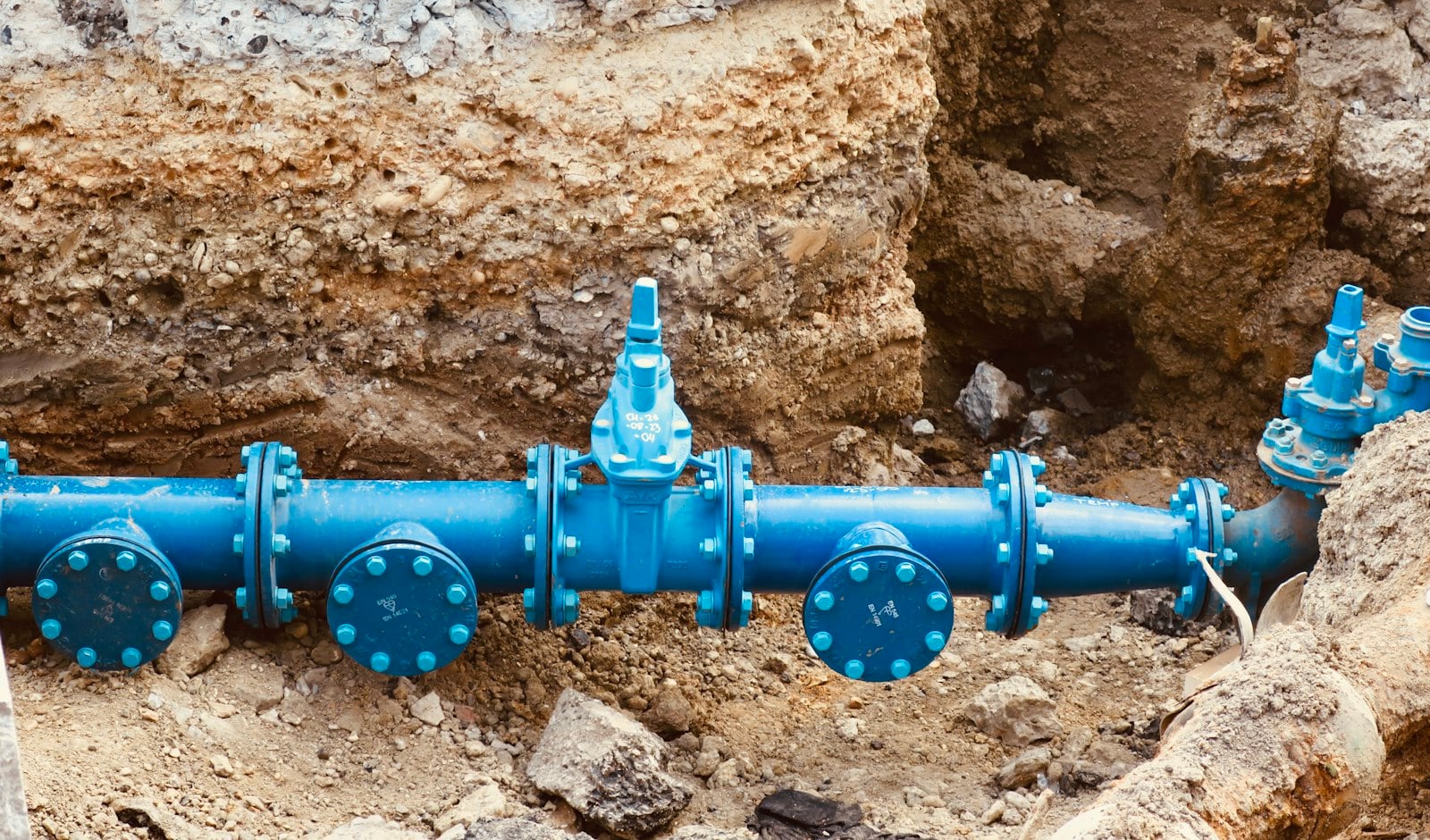
A static meter test with the house shut down, then pressure measured at the outside tap. Together they separate a line that is leaking from a line that has simply closed up with corrosion.
The service line runs from the curb stop at the street to the point where it comes through the front foundation wall. Finding that path, rather than guessing it, keeps the digging to one place.
The valve inside is yours; the curb stop at the street belongs to the water provider and is theirs to operate. You get shown which is which and where yours is, so the next emergency is shorter.
A single failure at a joint, a rock strike or a spot damaged by digging often needs only one excavation. Frozen winter ground makes that slower, and the quote says so before work starts.
Where the route allows it, a new line can be pulled through the old path from small pits at each end, which spares most of the lawn and driveway. Not every run suits it, and the plumber will say plainly when yours does not.
Backfill, compaction and restoring sod, gravel or concrete are part of the job and belong in the price. Permits and the inspection your city or water district may require are set out in the quote too.
The real decision is usually repair or replace. One clean break in a sound line is worth repairing. A galvanized line that has already leaked once is telling you something about the rest of its length, and patching it a second time often costs more over a few winters than replacing the run. You should hear both prices and the reasoning, not just the one the plumber prefers.
If the water is escaping inside the house instead, leak detection is the place to start, and a line that has already split is burst pipe repair. Water under a concrete floor is covered by slab leak repair. If it is the drain side of the house that is failing rather than the supply, see sewer line repair.
See what else a visit can cover on the services page, read about plumbing on the large lots in Wheat Ridge, or go straight to requesting a visit.
Length, depth and what sits on top of the line. A short run across open lawn is a different job from one that passes under a driveway, a mature tree or a sidewalk, and the material being installed matters as well. Westminster Emergency Plumber locates the fault first, then prices the repair and the replacement separately so you can compare them before deciding.
In most Colorado communities the property owner owns the service line from the curb stop or meter to the house, and the water provider owns the main in the street. So the side of the curb stop the leak falls on decides who deals with it. Westminster Emergency Plumber will tell you where the water is escaping, and you confirm the ownership line with your own provider before any repair is scheduled.
Yes, though frozen ground and snow cover slow the excavation and that shows in the quote. An active leak does not wait for spring, especially once water is undermining a walk or finding its way toward a basement wall. Where the route allows a pull-through replacement, far less ground has to be opened in the cold.
Less than most people expect. A pull-through replacement usually needs one pit near the house and one near the meter, and an open-cut repair follows a narrow trench along the line rather than across the yard. Westminster Emergency Plumber marks out what will be opened and what will be restored before starting, and the service process explains when that conversation happens.
Tell us what the pressure and the meter are doing and we will find the rest.