Testing before replacing
A thermocouple, a heating element, a thermostat or a gas valve can each produce the same complaint. The unit is tested rather than swapped on a hunch.
No hot water, rusty water, popping noises or a tank leaking onto the utility room floor. Westminster Emergency Plumber checks tank and tankless units and gives you a straight answer on repairing or replacing.
Two things matter more here than most places. Gas water heaters and furnaces along the Front Range have to be rated or adjusted for the elevation, so a like-for-like replacement is not always as simple as matching the label. And because Front Range utilities deliver mountain snowmelt water that is relatively soft, heavy scale is less of a story than it is elsewhere, though sediment still settles in a tank and a heater standing in an unheated basement corner works harder through January.
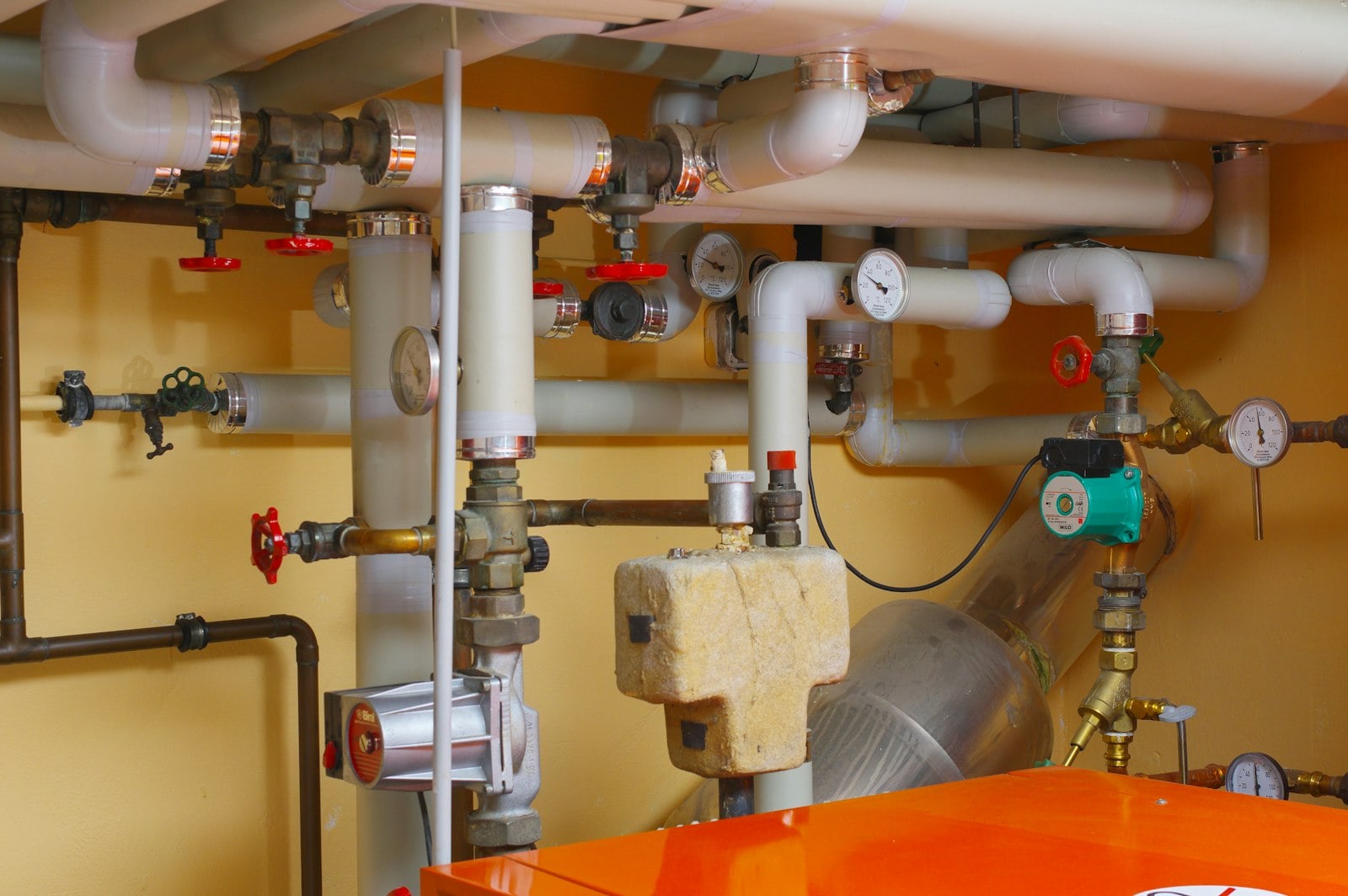
A thermocouple, a heating element, a thermostat or a gas valve can each produce the same complaint. The unit is tested rather than swapped on a hunch.
Gas supply, venting, the breaker and the circuit all get looked at. A heater that keeps failing sometimes has nothing wrong with the heater.
Tank units, and tankless units that need descaling, a sensor replaced or a venting fault sorted out. You hear which parts the unit actually needs.
Age matters, but not on its own. A unit in its first decade with one failed part is usually worth repairing. A tank that is weeping from the shell itself cannot be repaired at all, because the leak is the tank. In between there is a real decision, and it should be made with the actual unit in front of you rather than from a rule of thumb.
Our repair versus replacement comparison lays out what points each way, including venting, elevation rating, recovery time and where the unit sits. If the water around the base turns out not to be the heater at all, leak detection finds what it really is.
Read what to check when there is no hot water, or see service in Broomfield and the rest of the areas we cover.
The part that failed, whether the unit is gas, electric or tankless, and how it is installed. A thermocouple is a small job; a gas valve or a tankless heat exchanger is not. Westminster Emergency Plumber diagnoses the fault first and prices the repair before touching it, so you can weigh it against a replacement.
Only if the unit has clear instructions on it, you can smell no gas at all and nothing around the heater is wet. If there is any gas smell, leave the house and call the gas utility from outside. If the heater is standing in water, do not touch it, and do not reset a tripped breaker on a wet electric unit.
That depends on what failed, how old the unit is and whether the tank itself is sound. A leak from the shell means replacement; most other faults are worth pricing as a repair first. Westminster Emergency Plumber explains both options at the visit, and the comparison page lists the questions to ask.
Yes, for gas units. Combustion equipment has to be suitable for the elevation it is installed at, so the replacement discussion includes the rating and the venting, not just the capacity. Westminster Emergency Plumber covers this when quoting a new unit so the installation is right for a Front Range home.
Tell us what the heater is doing and whether there is water around it.