Locating before breaking
Pressure isolation, listening equipment and thermal checks narrow the leak to a small area. Opening concrete to search for a leak is the expensive way to find one.
Not every home here sits over a basement. Where water lines run under concrete, a leak can run for weeks before anything shows. Westminster Emergency Plumber locates it before any slab is opened.
Plenty of north metro properties have water lines cast in or run beneath concrete: slab-on-grade patio homes and townhomes, garden-level and walkout builds where part of the footprint sits on a slab, additions poured over an existing run, and the garage or utility slab carrying a line out to a hose bib or a laundry sink. The expansive clay under the Front Range heaves and settles with moisture, which puts stress on anything set into that concrete.
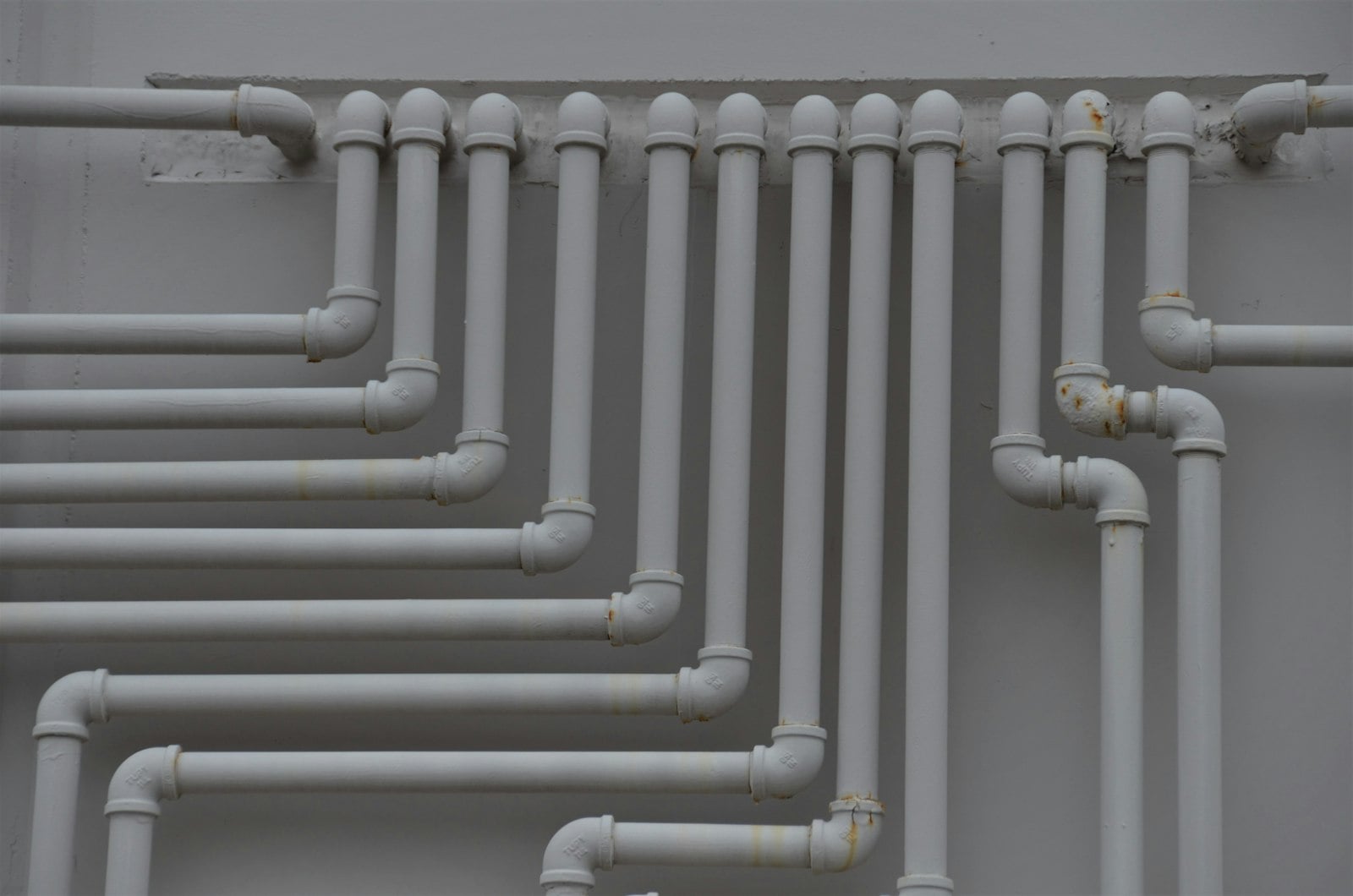
Pressure isolation, listening equipment and thermal checks narrow the leak to a small area. Opening concrete to search for a leak is the expensive way to find one.
A single accessible break can often be repaired in place. A line that has failed more than once is usually better rerouted above the slab, and you should hear the case for each.
Access, the repair itself, backfill and how the floor is left are separate items. Ask for them to be listed so there is no surprise about who restores what.
The decision is rarely only about the leak in front of you. If a copper line under concrete has developed one pinhole, the rest of that run has lived the same life. A single spot repair may be right, or it may be the first of several. A reroute costs more on the day and can be the cheaper answer over a few years, and a good quote sets both out plainly rather than pushing one.
Before any of that, the leak has to be confirmed. Leak detection covers the meter test and the isolation work. If the line has split rather than seeped, burst pipe repair deals with the immediate water.
Read the warning signs of a leak under concrete, see service in Federal Heights, or check the rest of the areas we cover.
Where the leak is, how deep the line sits, how much concrete has to come up and whether the answer is a spot repair or a reroute. Westminster Emergency Plumber prices the locating work and the repair separately, so you approve the repair only once you know where the leak actually is.
A meter that keeps turning with everything off tells you water is escaping. A warm patch on a concrete floor points at a hot line below it. Sound is another clue: running water you can hear with the house quiet. Westminster Emergency Plumber confirms it with pressure testing rather than assuming it from the symptoms.
It is not a good idea. Water under concrete keeps running, keeps costing and can soak the soil under the floor, which matters a great deal in expansive clay. If you cannot get it looked at straight away, ask about shutting off the affected line rather than the whole house so you still have water.
A one-off break in a reachable spot is usually worth repairing. A run that has leaked before, or is hard to reach, is often better abandoned and rerouted overhead. Westminster Emergency Plumber explains both at the visit with the price for each, so the choice is yours rather than a default.
If the floor is warm or the meter will not stop, call and we will locate it.