How to Snake a Toilet in Westminster Homes
Here is how to snake a toilet in a Westminster home: use a toilet auger (closet auger), set its rubber guard in the bottom of the bowl, crank the cable through the trap, pull it back slowly, and test with a single flush. If the clog will not clear or other drains back up, call to be connected with a local provider.
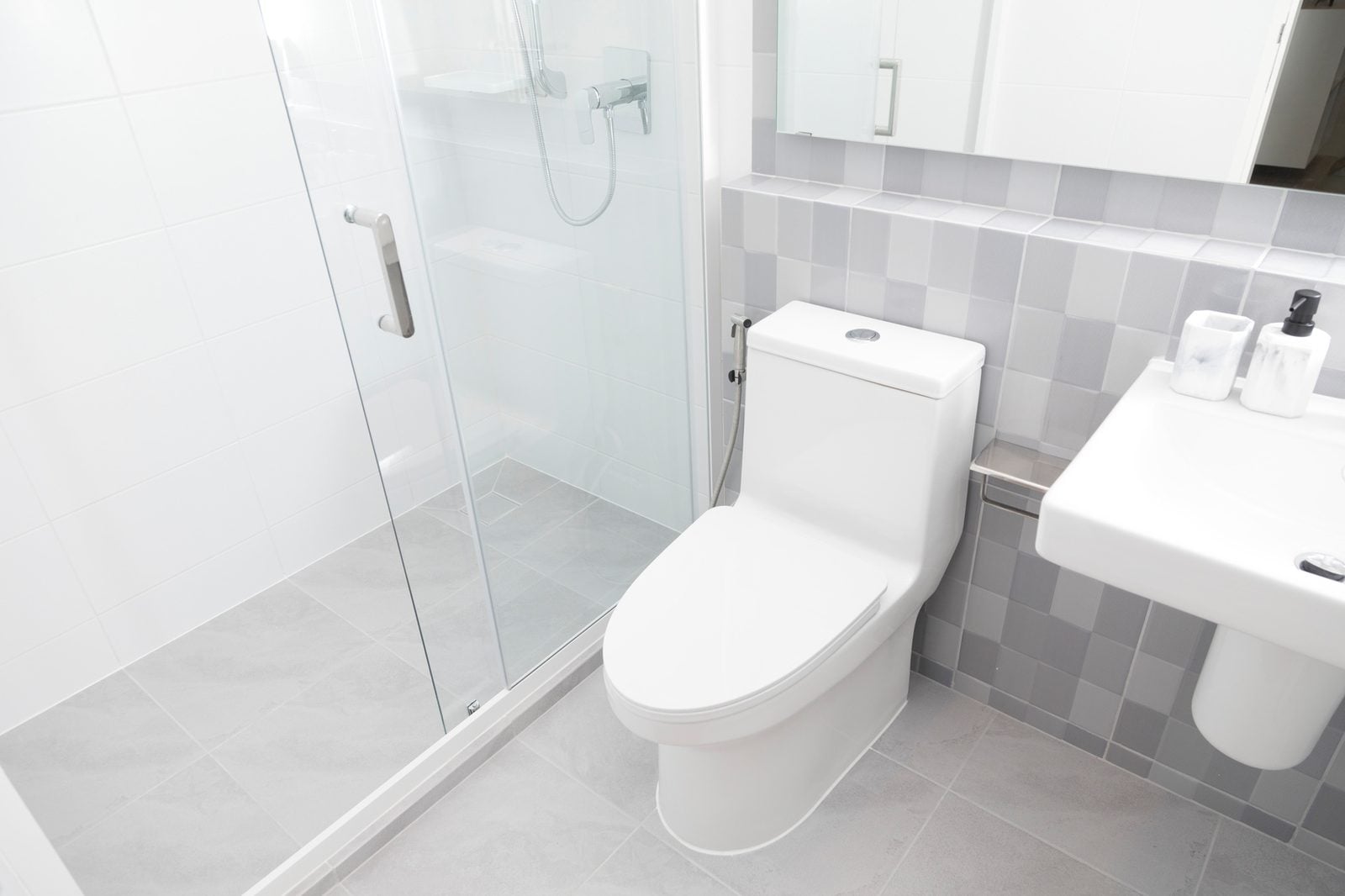
- A toilet needs a closet auger, a short cable inside a rigid bent tube with a rubber boot that protects the porcelain. A regular sink snake can scratch the bowl and kink in the toilet trap.
- Most toilet clogs sit in the trap built into the toilet itself, within the first few feet, which is about as far as a closet auger reaches.
- Never snake a toilet right after pouring in a chemical drain cleaner. The cable can splash caustic water onto your skin and eyes.
- If the toilet gurgles when a sink or tub drains, or more than one fixture is slow, the clog is likely in the main line, not the toilet.
- The City of Westminster says property owners are responsible for the sewer lateral from their property to the city main.
How to snake a toilet: what are the steps?
To snake a toilet in Westminster, pull the auger cable back into its tube, set the bent end in the drain opening with the rubber guard against the bowl, then crank the handle clockwise while pushing down. When the cable stops moving forward or breaks through, crank it back up and test with one flush.
- Put on rubber gloves and eye protection and lay old towels around the base of the toilet.
- If the bowl is full, wait for the water to drop or bail some into a bucket so it cannot spill over.
- Pull the handle all the way up so the cable tip sits just inside the end of the tube.
- Place the curved end of the tube into the drain hole at the bottom of the bowl, aimed toward the back of the toilet, with the rubber guard resting on the porcelain.
- Turn the crank clockwise while gently pushing the handle down. The cable will feed around the curves of the trap.
- When you feel resistance, keep cranking. A soft, spongy feel is often the clog. A hard stop may just be a bend.
- Once the cable is fully extended or the water starts to drain, keep turning clockwise as you pull the handle back up.
- Remove the auger, set it on a towel, and test with a single flush. Keep your hand near the tank flapper in case the bowl starts to rise.
If the water drops quickly and the flush is strong, you are likely done. Flush once or twice more to clear what is left in the trap.
What is a toilet auger, and how is it different from a drain snake?
A toilet auger, also called a closet auger, is a short, stiff cable inside a bent metal tube with a rubber or vinyl boot on the end. It is built to fit the toilet's curved trap without scratching the bowl. A regular drain snake has a thinner, longer cable meant for sink and tub pipes.
- Closet auger: the right tool for a toilet clog. It usually reaches only the first few feet, which covers the trap inside the toilet.
- Hand drum snake: made for sinks, tubs and showers. In a toilet it tends to coil in the bowl and can leave gray marks on the porcelain.
- Power auger: stronger and longer, used for main lines. It is not meant to go through a toilet bowl.
For help with sink and tub clogs, see our guide on how to snake a drain.
How do you know if a toilet clog needs a snake and not a plunger?
A toilet clog usually needs a snake when several rounds of firm plunging do not move the water, when the bowl drains very slowly no matter what, or when you know a solid object went down. Plungers push water against soft clogs. A closet auger reaches in and breaks up or hooks the blockage.
- The water level drops a little after plunging but the toilet still will not flush fully.
- A toy, wipe, cotton swab bundle, or other solid item went down the drain.
- The toilet clogs again every few days even after plunging seems to clear it.
- Paper and waste sit in the bowl and the water barely moves.
If a hard object like a toy or phone went down, go gently. Cranking hard can push it deeper into the trap, where it is harder to pull back.
Need help now? Call to be connected with a local provider in Westminster who can check availability for your address.
What signs mean the clog is past the toilet?
The clog is likely past the toilet when other drains act up at the same time: the toilet gurgles or bubbles when a sink or washer drains, water rises in the tub when you flush, or a basement floor drain backs up. These signs point to the main drain or sewer line, which a closet auger cannot reach.
- Two or more fixtures are slow at once, such as the toilet and the tub on the same floor.
- Snaking clears the toilet for a day, then it clogs again.
- You smell sewage around floor drains or the toilet base.
- Dirty water comes up in a lower-level shower or floor drain when the toilet is flushed.
If that sounds familiar, read our guide to a clogged drain or a sewer line problem before you keep working on the toilet.
What can go wrong when you snake a toilet yourself?
Snaking a toilet is a common homeowner job, but it can go wrong. The most common problems are a scratched bowl, an overflow onto the floor, a splash of chemical-laced water, a cable that kinks or gets stuck, and a loose seal at the base if the toilet gets rocked or pried while you work.
- Scratches: keep the rubber guard against the porcelain the whole time.
- Overflow: never flush to test until the water level has dropped. If the bowl rises, lift the tank lid and push the flapper closed.
- Chemicals: if you poured in a drain cleaner, do not snake through that water. Tell the provider what you used.
- Stuck cable: if the cable will not come back, stop forcing it, turn it gently clockwise, and call if it still will not release.
- Leaks at the base: water seeping around the floor after you are done can mean the wax seal moved.
How can you keep a toilet from clogging again?
Most toilet clogs come back for the same reasons: too much paper at once, flushable wipes, and items that should go in the trash. Using less paper per flush, keeping wipes and hygiene products out of the toilet, and fixing a weak flush all help a toilet stay clear.
- Flush twice for large loads instead of once with a lot of paper.
- Keep a small trash can in the bathroom for wipes, floss, cotton swabs and paper towels.
- Watch for a weak or slow flush. A partly closed shutoff valve, a short flapper chain or a clogged rim can all make the flush weaker.
- Keep small toys out of reach in homes with young kids, and keep the lid closed.
If the toilet runs, rocks or leaks, our toilet and faucet repair page explains common problems.
What happens during the visit if you call for help?
When you call, you are connected with a local plumbing provider who checks availability for your address. During the visit, the provider inspects the toilet and nearby drains, may check the cleanout or main line, explains what is likely causing the clog and your options, and gives you a written quote before any work starts.
- An inspection of the toilet, its trap, and other fixtures that share the line.
- A plain explanation of the options, such as clearing the trap, pulling the toilet to remove an object, or a look at the main line.
- A written quote you can review before you agree to anything.
To be connected with a local provider, call (720) 386-7731.
What should Westminster-area homeowners know before snaking a toilet?
Before you snake a toilet in Westminster, know where your shutoffs are and who owns which pipe. The City of Westminster says the main water shutoff valve is just inside the home where the service line enters, usually in the basement or crawlspace. If a toilet overflows and the valve behind it will not close, that main valve stops the water.
Know where your responsibility ends. The City of Westminster says property owners are responsible for maintaining the sewer lateral line from their property to the city's main sewer line, and the city points owners to a plumber for a backup in that line. A closet auger only reaches the toilet trap, so a blockage out in the lateral is a different job.
Do not ignore a toilet that keeps running after you clear it. The City of Westminster says a constantly running toilet can use 4,000 gallons of water per day. A flapper that got knocked loose while you worked is a common cause.
Plan for a backup before it happens. The Colorado Division of Insurance names sewer backup coverage as additional coverage a homeowner may need to buy, so check your own policy. Homes in Westminster, Federal Heights, Northglenn, Thornton and Broomfield can call to be connected with a local provider when a toilet will not clear.
Related pages
Questions people ask
What is the easiest way to learn how to snake a toilet?
Use a closet auger, not a sink snake, and follow three moves: seat the guard in the bowl, crank clockwise while pushing down, then crank back up. Lower the water first and test with one flush.
Can I use a regular drain snake on a toilet?
It is not a good idea. A thin sink snake tends to coil in the bowl, can kink in the toilet trap, and its bare metal can scratch the porcelain. A closet auger has a guard and a bent tube made for toilets.
Will a toilet auger scratch my toilet bowl?
It can if the bare cable or tube touches the porcelain. Keep the rubber boot seated against the bowl while you crank, and pull the cable back into the tube before you lift it out.
Which way do you turn a toilet auger?
Turn it clockwise, both going in and coming back out. Turning clockwise keeps the cable coil tight and helps the clog stay on the tip.
How far does a toilet auger go?
Most closet augers reach only a few feet, which covers the trap inside the toilet. If you use the full length and the toilet still will not drain, the clog is likely farther down the line.
Should I plunge first or snake the toilet first?
Plunge first for an ordinary paper clog, since it is quicker and gentler. Switch to a toilet auger when several rounds of firm plunging do not work, or right away if a solid object went down.
Can a toilet auger get a toy out of the toilet?
Sometimes. Crank gently so the cable hooks the toy instead of pushing it deeper. If the item is hard and wedged, the toilet may need to be pulled up to remove it, which is a job to call about.
Is it safe to snake a toilet after using a chemical drain cleaner?
No. The water can burn skin and eyes when the cable splashes it. Wait, do not plunge or snake, and tell the provider exactly what product you used when you call.
Why does my toilet keep clogging after I snake it?
The auger may have poked a hole through the clog without clearing it, or the blockage may be past the toilet. A toilet that clogs again within days is worth having inspected, especially if other drains are slow.
My toilet auger is stuck in the toilet. What should I do?
Stop pulling hard. Turn the handle gently clockwise while lifting slowly, and if it still will not come free, leave it in place and call so the toilet is not cracked or the cable broken.
What should I do if my toilet starts to overflow while I am snaking it?
Stop and lift the tank lid, then push the flapper down to stop water from entering the bowl. Turn the valve behind the toilet clockwise to shut it off and soak up water before it spreads.
How do I know if the clog is in my toilet or my main sewer line?
If only the toilet is clogged, it is usually the toilet. If the tub, shower or floor drain backs up when you flush, or several fixtures are slow at once, the main line is more likely.
Can I snake my toilet in Westminster if my basement floor drain is backing up?
Probably not worth it. A floor drain backup points to the main line, and the City of Westminster says owners are responsible for the sewer lateral out to the city main, so call to be connected with a provider.
Where is the water shutoff for my toilet?
Most toilets have a small valve on the wall or floor behind the bowl. Turn it clockwise to close it, and if it will not turn, use the main shutoff for the house.
When should I stop trying to snake a toilet and call for help?
Stop and call after two or three tries with a closet auger that do not work, if other drains back up, if you smell sewage, or if water leaks at the base. Call (720) 386-7731 to be connected with a local provider.
What should I ask the provider after they clear my toilet?
Ask where the clog was, what caused it, and whether the line or toilet showed any damage. Those answers tell you whether the clog may come back and what can help prevent it.
Talk to someone about your plumbing problem
Call to be connected with a local provider who can check availability for your address and explain the next step.